Voluntary corporate emissions targets not enough to create real climate action
Imperial and CNRS strengthen UK-France science with new partnerships
New AI startup accelerator led by Imperial opens for applications
We create and deliver top quality education to inspire and unite the next generation of healthcare and health science leaders.
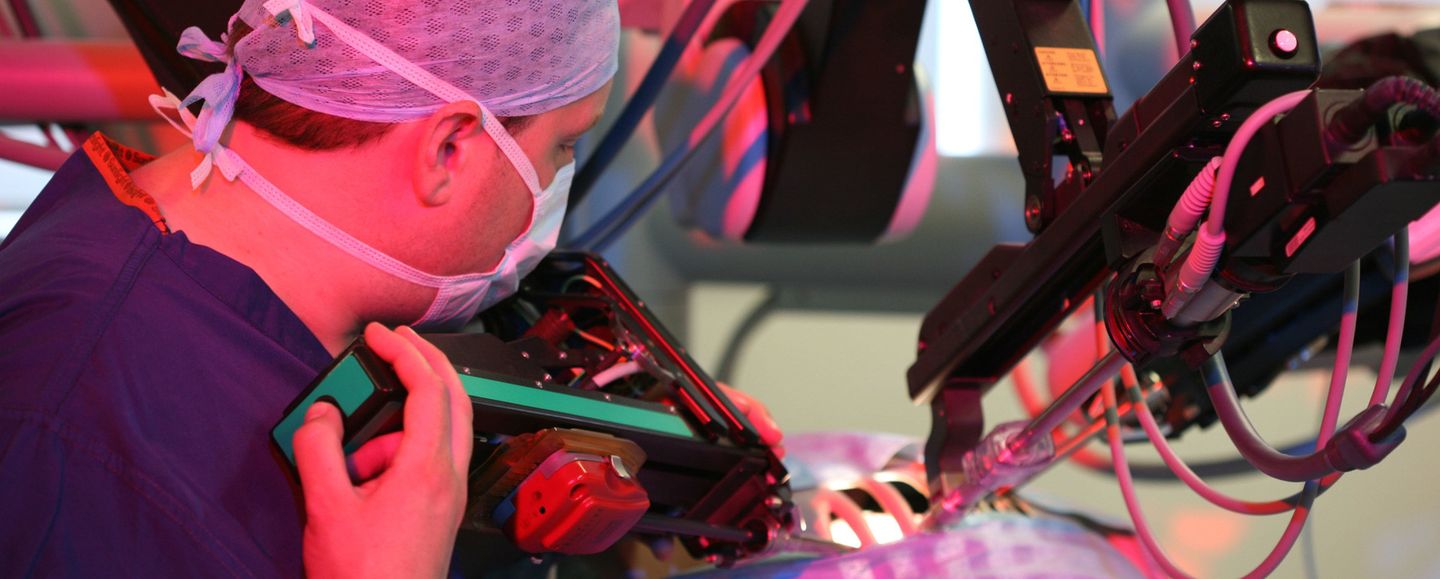
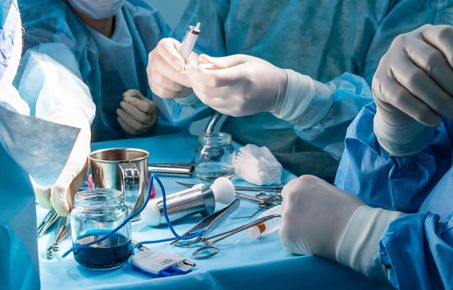
The Division of Surgery aims to improve outcomes for patients undergoing surgical treatment of disease through the transfer of technology into clinical practice. This is being achieved by harnessing Imperial College’s interdisciplinary research strengths and by bringing together clinicians, engineers, designers, and policy makers to create highly innovative solutions across seven broad themes.
Find out more
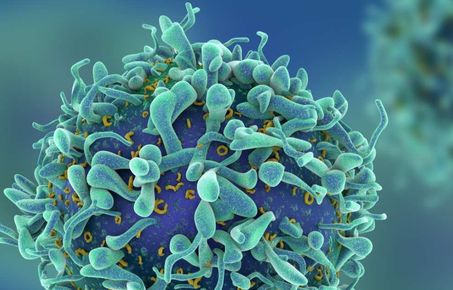
The Division of Cancer has a focus on the translation of high-quality basic research into clinical studies leading to stratified and personalised cancer treatment approaches, which will change NHS practice and provide an outstanding environment for academic and commercial research partnerships.
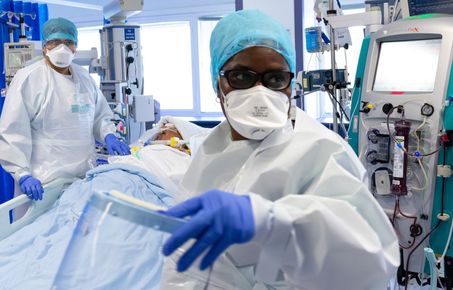
The Division of Anaesthetics, Pain Medicine and Intensive Care (APMIC) brings together clinicians and scientists with an emphasis on producing high-quality, high-impact basic and translational research towards the development of novel and better therapeutic strategies.
Research Spotlight: Imperial Prostate
Education Spotlight: MSc Healthcare and Design
Research Centre Spotlight: Patient Safety Translational Research Centre
Learn about how the Department of Surgery and Cancer's is committed to providing a diverse and equal workplace for all employees.
The Department of Surgery and Cancer celebrates Athena Gold Award
16 April 2024
Convergence Science Centre receives £8.9M for clinician research training
05 April 2024
13 March 2024
12 March 2024
11 March 2024
26 April 2024, 11.00–13.00
“Antigens that mediate tumor rejection” – Division of Cancer Seminar