
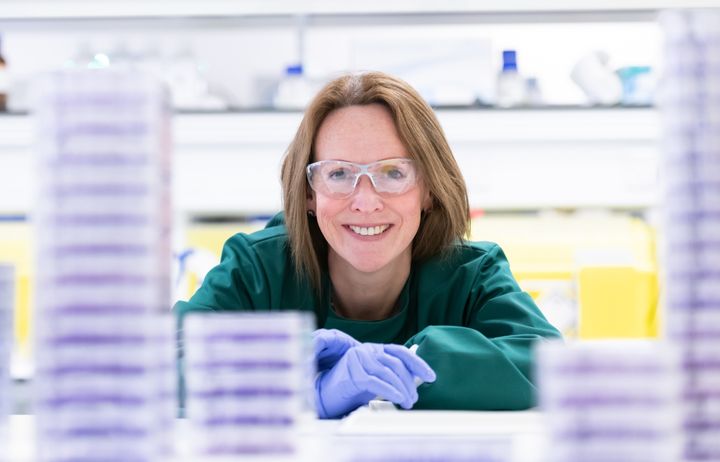
Professor David Edwards

Contact details

Professor A David Edwards FMedSci

Visiting Professor
Department of Medicine

Tel: +44 (0)20 3313 3326
Email: Email address for Professor A David Edwards FMedSci

Professor David Edwards

David Edwards was appointed the foundation Weston Professor of Neonatal Medicine in 1992, and since then has headed the Weston Group whose aim is to reduce the number of newborn infants who grow up with problems caused by brain injury in the newborn period.

Senior members of the Weston Group are:

  • David Edwards  Weston Professor of Neonatal Medcine
  • Denis Azzopardi   Senior Lecutrer in Paediatrics
  • James Boardman    Senior Lecturer in Neonatal Medicine
  • Weston Senior Lecturer in Neurobiology   vacant

In parallel with the Weston Group, Prof Edwards is also head of the Neonatal Medicine Group in the Medical Research Council Clinical Sciences Centre at Hammersmith. http://www.csc.mrc.ac.uk/Research/Groups/ExperimentalClinicalNeuroscience/NeonatalMedicine/

He is Associate Director of the National Institute for Health Research Medicines for Children Research Network, and a Senior Investigator in the National Institute for Health Research. He acts as Theme Leader for Imaging Research within Imperial College and the Imperial College Healthcare Trust Comprehensive Biomedical Research Centre.

SUMMARY OF RESEARCH

BACKGROUND

Problems at birth are a major health problem in both the developed and the developing world, and affected infants are drawn disproportionally from disadvantaged populations. Birth trauma remains a major cause of death in developing countries, and preterm deliveries are commoner amongst the poor and the unemployed, with teenage pregnancy and in stressed or poorly educated mothers. Indeed, a major international survey found that unequal income distribution and lack of political representation was more strongly associated with low birthweight and infant mortality than any other health outcome. Worldwide these problems reach epidemic proportions, and in countries where modern facilities are available about 7% of all infants require some form of neonatal intensive care. There is a pressing need for social and political as well as medical reasons to address the problems of neonatal disease.

Birth asphyxia in mature infants remains a significant cause of neurodevelopmental impairment, accounting for some 20% of cases of cerebral palsy in the developed world and more in poorer countries. Pre-term birth has a profound effect on the developing brain, particularly with extreme prematurity: half of all infants born at 25 weeks of less show impaired neurodevelopment at 30 months of age and even in less immature infants neurological and psychiatric deficits are common in the teenage years. In a minority this is a predominantly motor impairment, but in the remainder the impairment is neurocognitive and behavioural.

The Neonatal group aims to combine laboratory and clinical research to the benefit of vulnerable newborn infants. The group is highly collaborative and it provides a central resource and impetus for a larger group of researchers looking into specific diseases in the newborn.

There are seamless relationships between several research groups in the CSC and Imperial College and important core collaborations are with the MR engineering group in the CSC (Prof Hajnal), and the Department of Computing. The multidisciplinary intent of the group is emphasised by Professor Edwards’s role as Principal Investigator for the MRC Institutional Discipline Bridging Award in Imaging Sciences recently granted to Imperial College.

OBJECTIVES

The primary object of the group is to understand the causes and consequences of neurodevelopmental impairment in the newborn infants so that strategies can be devised to reduce the level of neurodevelopmental impairment initiated in the perinatal period.

Progress is more advanced with the problems of term infants: it is clear that a definable proportion of infants suffer from hypoxia-ischaemia during parturition, and we have advanced to clinical trials of a potential therapy that could have value on both developed and developing countries. We are now able to report success; post-insult hypothermia has been shown to reduce the severity of injury and mortality after birth asphyxia. We are also working on the development of cell based therapies for neural regeneration after brain injury.

For the very preterm infants we are at an earlier stage of knowledge, the phenotype of the condition is less well characterised and it is less obvious what the causal pathways are. We are using imaging techniques to define the nature of the disease more precisely, as well as to investigate possible causal agents.

ACHIEVEMENTS

Brain damage and neurodevelopmental abnormalities in preterm infants

1. Development and use of a dedicated MR imaging facility

A central achievement for the group has been to establish the systems and skills to allow MR imaging of the most immature and vulnerable newborn infant. We have a long record of studying infants who require intensive care, and since the early 1990’s have been able to obtain imagesfrom infants undergoing mechanical ventilation. However, these systems were not safe or robust enough to allow us to examine the very smallest preterm infants who are at the highest risk of neurological problems. In 1996 we therefore established the worlds first dedicated neonatal MR scanner in a suite within the neonatal intensive care unit, allied to full intensive care facilities such as: advanced mechanical ventilation; inotropic support; and nitric oxide administration. This unparalleled facility has allowed us to collect a unique set of images of preterm infants from the age of viability onwards.

We have undertaken studies to demonstrate the safety of the system, and made comparisons between MR, ultrasound images and histopathological findings. These showed that MR images were not surprisingly much more sensitive to abnormality than the commonly used ultrasound methods, and that it detected the majority of the lesions seen in pathological specimens. It was clear that the commonly accepted classification of brain lesions based on ultrasound appearances and used by neonatal researchers needed review, and that the neonatal MR system provided the appropriate tool to do this.

With this preliminary work completed we moved to substantive studies. Our first aim was to define the phenotype of brain abnormality in an unselected population of preterm infants, and to examine the timing of lesions in relation to parturition. We therefore undertook a large cohort study of consecutive patients born before 32 weeks gestation, imaged immediately after birth and then serially. We collected up to seven MR studies between delivery and term corrected age from 160 subjects, with the median age of the first image being less than 48 hours after birth. A large amount of collateral information, including DNA and placental biopsies, was collected on these infants, and survivors are currently undergoing detailed neurological and cognitive follow-up at the age of six years.


This cohort study demonstrated that:
(1) the classical pathologies of periventricular leucomalacia and parenchymal intraventricular haemorrhage were very uncommon.
(2) Abnormalities, often characteristic of longterm problems were seen on 2/3 of the first scans, ie within hours of birth, and appeared to have originated during intrauterine life.
(3) By the corrected age of term over 80% of infants have abnormalities on the MR image, almost always diffuse excessive high signal intensity in the white matter and dilated lateral ventricles (Fig 1). Focal lesions, even where they had existed on early scans were often absent. These results demonstrated that studies using single MR images of preterm infants at term would be unlikely to define the nature of brain lesions precisely, and that the phenomenology of abnormality changed as the brain developed.

It was essential to determine whether the diffuse excessive high signal intensity seen in these infants in the later images represented brain injury. Serena Counsell, a PhD student in the group, therefore used diffusion weighted imaging to measure apparent diffusion coefficients in white matter in several brain regions in normal controls, preterm infants with diffuse excessive high signal intensity, and preterm infants with periventricular leucomalacia, a characteristically diffuse severe form of injury. We found that the apparent diffusion coefficients values in the diffuse signal regions were similar to those in infants with periventricular leucomalacia and significantly higher than controls, strongly implying that the diffuse high signal represented tissue damage. We are now implementing MR tractography to examine the nature of the white matter disease and its effect on cerebral development more closely.


2. Infection, inflammation and immunity in preterm brain damage.

No clear pathological mechanism was apparent for the MR lesions commonly seen in the preterm cohort. We therefore asked the question: are these lesions due to hypoxia-ischaemia? Dr Nikki Robertson, a PhD student with the group compared intracellular pH measured by MRS in normal and abnormal preterm brain, and in term hypoxic-ischaemic injury. Hypoxia-ischaemia always led to increased pH (see below) but this was never seem in the preterm infants, suggesting that the pathology of preterm lesions may be different from perinatal hypoxic-ischaemic damage.

This was consistent with data from many groups, most notably Romero’s group in the USA, suggesting that persistent antenatal infection was a significant predictor of brain lesions in the preterm population (eg Yoon et al, Am J Obstet Gynaecol, 1997,177(1), 19-26) . There was also convincing evidence from basic researchers such as Rothwell’s group in the UK of a complex inter-relationship between hypoxic-ischaemic brain injury and inflammatory processes (reviewed in Allan and Rothwell, Nat Rev Neurosci 2001,2(10),734-44).

Several studies had suggested that high levels of pro-inflammatory cytokines, notably interleukin 6, in amniotic fluid or fetal blood was associated with periventricular leucomalacia on cranial ultrasound scanning or with poor neurological outcome in preterm infants. These studies lacked force because the measures were not robust. Ultrasound is highly insensitive in this context, and neurological outcome cannot distinguish between antenatal events and the rigours of intensive care to which all these infants are subjected. Equally, measurements of cytokine concentrations in blood or amniotic fluid had the disadvantage that inflammation is part of normal parturition and these measures do not give definite evidence of infections


Fig 2. Increased concentrations of inflammatory cytokines and CD45RO+ T cells in the umbilical blood of  preterm infants with (shaded bars) or without (clear bars) abnormalities on MR imaging soon after delivery (from Duggan et al, Lancet 2001) [28]

We addressed the problem using the neonatal MR imaging resource. We examined umbilical blood and placental samples from 50 infants and reasoned that if prolonged infection was associated with brain injury there would be immunological memory of the infecting agent. Dr Philip Duggan, a joint PhD student with Prof Robert Lechler’s group in the Department of Immunology, Imperial College, having confirmed that harvested cells were of fetal not maternal origin, measured the percentage of CD45RO+ve T lymphocytes (which reflect immunoigical memory for antigen) in the fetal blood. He found that higher concentrations were significantly associated with abnormalities on the first brain image (Fig 2). In studies being prepared for publication he repeated this with other markers of T cell activation, CD69 and CD25 and found that these markers also predicted abnormalities on the first image. Together with confirmation that pro-inflammatory cytokines were increased in these infants these data provide the best available evidence that intrauterine infection is associated with brain lesions in preterm infants.

To examine the role of intrauterine infection in brain injury further, in collaboration with Dr Mark Sullivan (Obstetrics and Gynaecology) and Prof Gordon Dougan (Centre for Molecular Microbiology) we used fluorescent in situ hybridisation with oligonucleotide probes for bacterial 16s ribosomal RNA to detect bacteria on the placenta and fetal membranes of these infants. We found very large numbers of bacteria on the amnion and chorion, yet not all infants seemed to have mounted a strong immune response to the bacteria. Interestingly, bacterial colonisation without an inflammatory response was also found in term controls. This suggested differential pathogenicity in the bacterial species, and/or that the host response is critical in determining the response to bacterial invasion of the uterus.

We have preliminary evidence that both situations are true. First, a serendipitous finding during these studies was the identification of CD4+CD25+ regulatory T cells in high concentration in fetal blood. This provided the first identification of human anergic T cells analogous to those shown by Sakaguchi et al to downregulate ‘excessive’ immune activity in the mouse (Sakaguchi et al, J. Immunol, 1995, 155(3), 1151-64). These cells have since been shown by several groups to modulate immunity in humans, probably reducing self harm during the response to infection (for example Maloy et al, J. Exp. Med. 2003, 197(1), 111-9). The presence of CD4+CD25+ cells in the fetus at 23 weeks raised questions about the fetal response to bacterial infection and the induction of preterm labour and tissue damage. We are pursuing this with Professor Lechler’s group. Second, in collaboration with Prof Dougan we have cloned16s ribosomal sequence from the fetal membranes which have allowed precise identification of the species of bacteria present and subsequent confirmation by construction and re-hybridisation of specific anti-16s oligonuceotides. This approach has suggested a strong and unexpected link between particular bacteria, fetal infammation and brain injury. We are actively pursuing this.


3. Neuroinformatic analysis of the effects of prematurity

These data suggesting a role for infection in the initiation of brain injury do not completely explain the high rate of abnormalities seen on term scans, as some infants have no definable infective or other insults, have a normal first scan and yet develop abnormalities of a non-focal nature by term. These are poorly defined and understood, and difficult to investigate without quantitative measures. In collaboration with Prof Hajnal we have therefore used a semi-interactive post-processing technique designed within the MR unit to extract quantitative measures of cerebral volume, cortical surface area and the complexity of the cerebral cortex from one image dataset. We now have some 200 of these measurements and have used them to ask questions about brain development in very preterm infants.

We have found that preterm infants achieve logarithmic increases in cerebral volume and surface area after birth despite the hostile extrauterine environment. However, cortical development seems to be delayed compared to growth in the normal intrauterine environment , as the levels of cortical complexity achieved by the corrected age of term are significantly less than for term-born infants (Fig 3). This deficit in development is seen in the absence of focal brain lesions.


Fig 3. Increase in cortical complexity with gestational age in preterm infants (r2 = 0.9515). Insert shows comparison at term gestation with term control infants, demonstrating reduced complexity in preterm infants (ANOVA, p Lancet 2000)

Investigating possible causes for reduced brain development, we have found an association between high doses of therapeutic steroids administered to the mother antenatally or the infant postnatally and reduced cerebral volume and surface area. We are currently examining whether evidence of antenatal or postnatal infection also interrupts cortical growth.

These quantitative measures have been a significant advance in image interpretation, however they give only global measures reflecting the state of the whole brain. Advances in neuroinformatics are currently suggesting new and fruitful approaches which will allow detailed regional examination (reviewed in Toga, Nat Rev Neurosci, 2002, 3(4), 302-9). In collaboration with Prof Hajnal and Dr Daniel Rueckert, Department of Computing, Imperial College and with 2 grants from the Engineering and Physical Sciences Research Council we are implementing high-dimensional registration and statistical techniques to neonatal brain imaging, and developing a 4-dimensional (3D + time) brain atlas for the preterm infant.

Because of the extremely rapid growth of the brain and the emergence of new structures during our period of interest afine transformation based techniques such as voxel based morphometry are likely to have a limited value, and we have therefore begun to use non-linear systems to atlas brains and compare groups and individuals. Preliminary data suggest that the frontal lobes have particular abnormalities in preterm infants (frontispiece and figure a below) This is consistent with a previously unexplained finding from our diffusion weighted imaging studies: that the apparent diffusion coefficient was higher in the frontal that the posterior white matter. These findings may suggest a neural substrate in the frontal lobes for the cognitive problems common in the survivors of extremely preterm birth. We are actively pursuing this.


Figure a shows example sagittal, transverse and coronal slices from a 3-dimensional statistical parametric map (SPM) comparing 62 preterm infants at term equivalent age to 12 term born controls, calculated using SPM99 software. The SPM is displayed in the coordinate system of the reference anatomy, with highlighted areas showing the spatial distribution of volume reduction in preterm infants at term equivalent compared to term controls (t=3.21, p=0.001 uncorrected for multiple comparisons). Volume reduction is present in the deep grey nuclear structures of the lentiform, caudate and thalamic nuclei.


Birth asphyxia and brain damage in term infants


The study of perinatal hypoxic-ischaemic injury has been a central activity since the first MR scan of a human infant brain was carried out at the Hammersmith Hospital in the 1980’s.  MRI is now established as the primary tool for defining brain injury in the newborn infants, and work proceeding in many centres. We have played a role in developing a role for MRI in neonatal neurology, including the first diffusion-weighted images of brain injury in the newborn in 1994, and the prize-winning first textbook of neonatal MR imaging edited by Rutherford in 2002.

1. Descriptive studies of brain injury in perinatal hypoxia-ischaemia


Fig 4. Loss of signal in the posterior limb of the internal capsule- a highly sensitive and specific sign of neurological impairment after perinatal hypoxia-ischaemia  defined by the M.R. (Rutherford et al, Pediatrics 1998)

Descriptive studies to define the MR characteristics of hypoxic-ischaemic damage, and to determine the prognostic value of MR after asphyxia have formed the bedrock not only of clinical practice but our other research studies in this area. We have carried out detailed analysis of the relation between MR images and histopathological findings, and defined intra- and interobserver variability of MR interpretation after perinatal hypoxia-ischaemia. A large follow-up study has defined the value of specific MR appearances, and described a new sign with particularly high positive predictive value (Fig 4).

We have laid stress on serial imaging and prolonged neurological follow-up of infants studied, some of whom are now approaching their teens, and this unique collection of patients will allow us to define precisely the significance of images, both soon after birth and in childhood, in the diagnosis of birth injury.  A seminal paper published by Dr Cowan, Dr Rutherford and others in the Lancet in 2003 has used MRI to demonstrate that most infants with neonatal encephalopathy have evidence of perinatal but not longstanding brain injury- this has crucial medical and legal importance.


2. Mechanisms of brain injury in perinatal hypoxia-ischaemia

We have also investigated the mechanisms of hypoxic-ischaemic injury in linked clinical and laboratory studies. Beginning from the original observation that cerebral energy metabolism is normal immediately after perinatal asphyxia but declines 8-12 hours later (Hope et al, Lancet, 2, 366-70,1984), and the well-accepted phenomenon of ischaemic maturation in animal models, we began in the early 1990s with the then novel hypothesis that neural cell death after hypoxia-ischaemia was apoptotic. We were amongst the first to show apoptotic death in animal models of perinatal hypoxia-ischaemia, and the first to demonstrate that apoptotic death was a prominent feature in human asphyxial damage. Subsequent work from many groups has confirmed the importance of apoptosis in the developing brain, even though there is some renewed scepticism as regards adult hypoxic-ischaemic injury.


3. Clinical trials of neural rescue therapies.

Acceptance of a role for apoptosis in perinatal brain injury provided a mechanistic infrastructure to the search for neural rescue therapies. With Dr Mehmet we showed that apoptosis could be specifically reduced in animals subjected to hypoxia-ischaemia by controlled hypothermia. Other groups provided convincing evidence in animals that hypothermia ameliorated several important aspects of hypoxic-ischaemic injury, such as excitotoxin release. After further animal studies and a pilot clinical study we have developed multicentre clinical trialsto test the hypothesis that post-asphyxial hypothermia will reduce cerebral injury and improve neurodevelopmental outcome, These include a trial organised jointly with collegues at UCL, University of Auckland and University of Bristol, and carried out mainly in the USA- the Cool  Cap trial, and the MRC funded multicentre randomised clinical trial of moderate applied hypothermia for neural-rescue (PI Dr Denis Azzopardi).

The results of the Cool Cap trial have been submitted for publication: the trial found that cooling reduced death and disability in infants suffering moderately severe birth asphyxia, with a number needed to treat of 6. This is the first description of a treatment for asphyxia, and confirms the relevance of the evolutionary model of brain damage. It is a significant result that will alter clinical practice


4. Mechanisms of hypoxia-ischaemia and neural rescue and repair.

We have undertaken further studies of hypoxic-ischaemic damage using MR spectroscopy.  We made the first observation that prolonged metabolic abnormalities that can last months after asphyxia. Cerebral lactate concentrations are increased immediately after hypoxia-ischaemia and then in the period of delayed injury a few hours later. However, unlike derangements in high-energy phosphates, lacate levels remain elevated for many months after asphyxia, and are associated with a prolonged period of intracellular alkalosis (Fig 5). Dr Robertson has examined the mechanism of this metabolic abnormality, and in vitro experiments suggest that abnormalities of ion transport may be involved which are amenable to manipulation with therapeutic benefit. It is possible that this metabolic abnormality may offer a potential for neuroprotective benefit that could be applied many hours or days after an initial insult.

Fig 5. Intracellular pH measured by MRS related to outcome after perinatal hypoxia-ischaemia. The prolonged alkalosis can persist for months. (Robertson et al. AnnNeurol 2002)

We have begun to study the genetic predispositions to brain damage in our population, and with Dr Cowan and Professor Irene Roberts (Haematology) we found a link between disorders of the clotting cascade, such as high concentrations of factor VIII and Leiden factor V homogysosity, and severity of cerebral injury. We plan to develop this work using our large cohort of imaged patients.

A central part of our strategy for the near future is the investigation of stem cell therapies for neural rescue. This is a new direction for the group and has entailed a new intiative by Dr Mehmet. Working with Dr Nigel Kennea who has been awarded a Wellcome Clinical Training Fellowship for this work, he has shown that human fetal mesenchymal stem cells can be transdifferentiated to oligodendroglia and neural phenotypes. These cells are obtained from human fetal blood and form an interesting opportunity for cell therapy. Dr Mehmet will be focusing on the biology of stem cell transdifferentiatilon and the possible application of cell therapies to neonatal brain injury.


Neonatal lung and abdominal imaging: molecular imaging

MR imaging of the lung has been particularly difficult in adults, due to low proton density and susceptibility effects. X-ray computed tomography provides a satisfactory imaging modality and MR has rarely been attempted. However in the newborn infant, the high tissue water content makes imaging less problematic, and the high radiation doses of CT scanning prevents its use in this patient group except in extreme circumstances. Nevertheless, respiratory dysfunction remains the commonest cause of death in preterm infants, and despite the advent of artificial surfactant therapy chronic lung disease is increasing in prevalence in neonatal intensive care units.

In collaboration with Prof Hajnal we have undertaken the first study of the preterm lung using MR imaging. Having developed techniques for obtaining images, we addressed the question: is the lung water content higher in preterm lung disease, and what is the effect of this increase? We found that lung water is significantly higher both in acute surfactant deficiency disease and in neonatal chronic lung disease. The increased water burden is associated with a gravity-induced collapse and flooding of dependent lung regions. We have also found, using conventional gadolinium imaging, that the inflammatory processes in chronic lung disease are inhomogenously distributed within the lung. This has had immediate impact on our own clinical practice for ventilation strategies.

Imaging inflammatory change has become a significant goal for the group, as inflammation appears to lie at the root of a significant number of neonatal diseases, from antenatal fetal infection to the often fatal condition of neonatal necrotising enterocolitis, a condition in which we have obtained the first MR images and clearly demonstrated inflammatory change in vivo.

Because inflammation is a central clinical and research problem we have established a collaborative project with Prof Dorian Haskard (National Heart and Lung Institutute) and Prof Andrew George (Immunology), funded by the British Heart Foundation, to develop a molecular imaging tool for MR. We have linked MR visible agents to monoclonal antibodies against E-selectin, an endothelial cell marker expressed only in inflamed tissues. E-selectin is an internalising antibody which accumulates ligand inside endothelial cells, and thus will accumulate MR signal within endothelial cells. We have been able to demonstrate internalisation and MR visibility of cells in vitro, and we expect to soon have data in vivo, using the 9.4T system in the Biological Imaging Centre.


FUTURE WORK


The focus of the group will remain largely the same in the next quinquennium, and we plan to take advantages of the rapid progress in imaging, computing and biology to translate scientific opportunities for the benefit of newborn infants. New funding has recently has been obtained for several projects.


1. Neuroinformatic analysis of the causes and consequences of prematurity: Recent advances in image analysis and neuroinformatics offer great. With Prof Hajnal and Dr Rueckert and funding from the EPSRC, we will develop the 4-D atlas of the preterm brain using statistical models of shape and appearance. The atlas will allow comparison of detailed changes in individuals and between groups, will permit the investigation of structure-function relationships, and give a precise endpoint for investigation of the causal patterns of preterm injury.

In parallel with this we have obtained funding to review all infants studied by MR in the preterm period with detailed neuropsychological examinations at the age of 6 years, to provide a functional comparator for anatomical findings; this will be in collaboration with Dr Cowan, and Prof Janet Atkinson and Dr Elisabeth Issacs (University College, London).

These high-level analysis programmes will form the backbone of projects examining causal pathways to brain abnormalities, for example enabling us to address precise questions about the relation of inflammatory stimuli and brain development. We expect that the added discrimination this will bring will allow us to ask many new questions, and for example to be able to utilise the DNA biobank we have accumulated from imaged patients to examine genetic and environmental links to brain development and damage.

2. Infection, immunology and brain injury: We will pursue the role of fetal infection in the causal pathways to preterm brain damage. In collaboration with Prof Lechler we will examine the role of the host response, in particular the importance of CD4+CD25+ T cells in preventing tissue damage and premature labour in the face of intrauterine bacteria. With Prof Dougan we have funding to  pursue the bacteriology of preterm damage, focusing on our discovery of the strong links between a particular pathogens, inflammation and tissue injury. These projects will be closely co-ordinated and we examine the effect of particular pathogens on the immune system in infants with imaging evidence of brain injury in utero. We will extend these studies to investigations of postnatal infection as we have recently defined postnatal septicaemia as a risk factor for cerebral white matter disease.


3. Molecular imaging of inflammation and cell tracking: We plan to build on our work with E-selectin imaging to develop a clinical tool for precisely imaging inflammation without ionising radiation in human infants and we have submitted an application for funds to pursue this work. We plan to utilise the MRC Discipline Bridging Award to examine the use of microbubble technology and hyperpolarized xenon as imaging agents in the molecular context in collaboration with Dr Martin Blomley, (Imaging Sciences Department), and also to consider the possibilities of cell tracking in vivo by imaging. Many groups in the CSC are interested in this possibility; our own interest will centre on the possibility of tracking transplanted stem cells in animal models of perinatal brain injury in the Weston Laboratory (Dr Mehmet), where Wellcome Trust funding is supporting the development of transdifferentiated human cells to form oligodendrocytes that may allow brain repair approaches to perinatal white matter lesions.

5. Stem Cell research: The Weston Laboratory will focus on the biology and use of stem cells in neural repair. Important questions on the epigenetics and phenotyping of transdifferentiated cells will be addressed in collaboration with other groups within Imperial College and the CSC.


4. Translational reseach in neural rescue therapies: We will continue run the MRC clinical trial of hypothermic neural rescue, and are currently negociating to establish 2 new trials: first a trial of cooling in infants undergoing ECMO, and second a pragmatic field trial of cooling in the third world context, based in South Africa.

 
Share this on Delicious
Tweet this
Digg this
Stumble this
Share this on Facebook
 

Working in Research Themes