




Dr Graeme M Birdsey

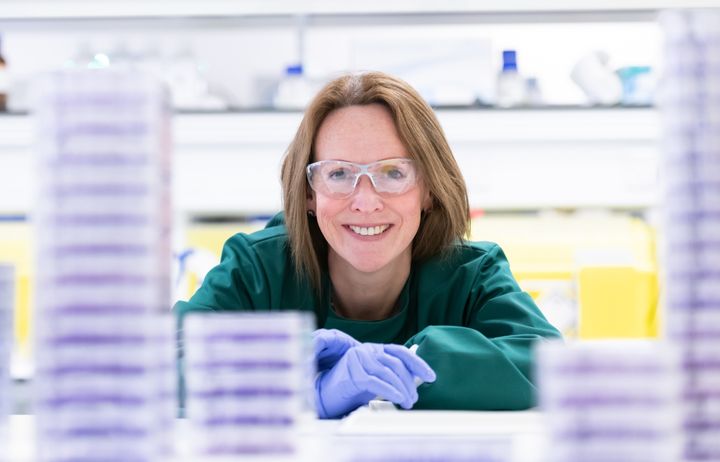
Personal photo

Contact details

Dr Graeme M Birdsey

Research Fellow
National Heart & Lung Institute

Tel: +44 (0)20 8383 8048
Email: Email address for Dr Graeme M Birdsey

Dr Graeme M Birdsey

Research Interests

My work focuses on the role of the Ets-related gene ERG in regulating endothelial gene expression and angiogenesis.

Sprouting Angiogenesis

Angiogenesis is the growth of new blood vessels and is an important natural process that occurs during wound healing and development. However, abnormal blood vessel growth underlies many diseases, including cancer, age-related blindness, diabetic ulcers, stroke and cardiovascular disease.

Angiogenesis involves the sprouting of endothelial cells from existing blood vessels in a tightly regulated process that requires the integration of signals from growth factors, adhesion molecules and other cellular pathways.

Specialised endothelial tip cells, which are highly motile and extend numerous filopodia, lead the outgrowth of the vessel sprout towards gradients of VEGF.


Sprouting angiogenesis in retina

Sprouting angiogenesis in the developing mouse retina at postnatal day 6.

Endothelial cells are labelled in green (Isolectin B4). Note the many filopodia extending from the tip cells at the angiogenic front.


Transcriptional Regulation of Angiogenesis

Angiogenesis depends on the dynamic regulation of endothelial cell gene expression. There is a complex network of transcriptional regulators that have a fundamental role in regulating the precise temporal and spatial co-ordination of the expression of multiple genes during angiogenesis.

My interest in angiogenesis focuses on the role of the Ets-related gene ERG (a member of the ETS family of transcription factors). Erg is one of the most highly expressed ETS transcription factors in endothelial cells and drives the expression of genes that define the endothelial lineage, including many that are involved in angiogenesis.

Recently, we showed that Erg is required for endothelial monolayer stability, endothelial cell survival and angiogenesis - partly through driving expression of the adhesion molecule VE-cadherin. Birdsey et al (2008) Blood 111(7): 3498-506


Erg and VE-cadherin

Erg and VE-cadherin staining in HUVEC.

Endothelial cell nuclei are labelled in green (Erg) and cell junctions are labelled red (VE-caderin).

To understand in more detail the molecular mechanisms regulating angiogenesis, we make use of a number of techniques including:

  • transcriptional biochemistry
  • microarray analysis
  • computational biology
  • confocal immunofluorescence microscopy
  • time-lapse microscopy
  • in vitro and in vivo models of angiogenesis (e.g postnatal retinal sprouting, co-culture and Matrigel tube formation assays).


Biography

In 1994 Graeme Birdsey graduated with a BSc in Applied Biochemistry from Liverpool John Moores University and he then went on to obtain a PhD in Molecular Cell Biology from University College London. Dr Birdsey’s PhD thesis and postdoctoral research project in Prof Chris Danpure’s lab at UCL focused on the molecular evolution of the intracellular targeting of the metabolic enzyme alanine:glyoxylate aminotransferase, AGT PDF Acrobat Document.

Dr Birdsey continued his scientific training with a two-year postdoctoral position with Dr James Leiper in Prof Patrick Vallance’s group at UCL. The work focused on the regulation of nitric oxide (NO) synthesis by endogenously produced competitive inhibitors (asymmetric methylarginines) of NO synthase enzymes. These molecules have been the subject of considerable interest as elevated levels have been reported in numerous disease states including hypertension, heart failure, renal failure, atherosclerosis, pre-eclampsia and type 2 diabetes. 

In 2004, Dr Birdsey moved to NHLI Cardiovascular Sciences at Imperial College and is currently a Research Fellow in the laboratory of Dr Anna Randi.


Actin_and_vinculin

Endothelial cell stained with markers to the adhesion molecule vinculin (red) and the actin cytoskeleton (green)


Dividing endothelial cell

Dividing endothelial cell showing acetylated microtubules (green) and DNA (purple)

 
Share this on DeliciousTweet thisDigg thisStumble thisShare this on Facebook