
Professor Wendy S Atkin

Personal photo

Contact details

Professor Wendy S Atkin

Professor
Department of Surgery & Cancer

Tel: +44 (0)20 7594 3369
Email: Email address for Professor Wendy S Atkin

Professor Wendy S Atkin

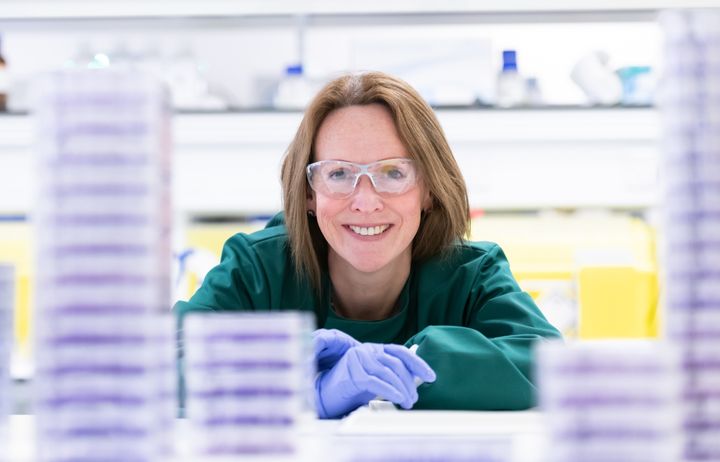
Wendy Atkin is Professor in Gastrointestinal Epidemiology, based at St Mary's Campus of Imperial College London. Her research focuses on the prevention and early detection of colorectal cancer in average and high-risk groups.

After graduating in 1985 from Columbia University, New York, with a master's degree in public health, Wendy undertook research for a PhD on the long-term risk of colorectal cancer (CRC) following adenoma removal. Her research led to the hypothesis that a single flexible sigmoidoscopy (FS) screen (a test that examines the distal bowel) might offer long-term protection against the development of distal CRC. The UK Flexible Sigmoidoscopy Screening trial (UKFSST), also known as the Flexi-Scope Trial, was designed to test this hypothesis. The results were recently published in 2010 in The Lancet and led to the government announcing a £60 million investment in a flexible screening programme over the next 4 years.

Within Imperial College, she heads the Cancer Screening and Prevention Research Group, an internationally-renowned, multidisciplinary group undertaking research focusing primarily on colorectal cancer, including epidemiology and screening, molecular genetics, and inherited cancer syndromes with the ultimate aim of reducing the incidence of and mortality from this disease.

Wendy has several large projects in her research portfolio funded by governmental, charitable, research council and international sources, which include:

Delivering a screening strategy for the early detection and prevention of CRC in the population. The UKFSST is examining the efficacy of a single FS at around age 60 in reducing CRC incidence and mortality. Just recently after 11 years of follow-up the major outcomes in the trial were analysed and the results published in The Lancet (May 2010). This publication generated wide international media interest showing that a single FS screen, reduced colorectal cancer incidence by one third and mortality by more than 40%. So far there has been no waning of the effect of screening. Thus the effect of a single exam is both substantial and long-lasting. The group is currently following up the cohort for a further five years to examine longer term efficacy and whether a single exam really gives life-time protection or whether it needs to be repeated, and the optimum age for a single screen exam. These are important questions for a national screening programme.

Identifying a method of preventing the 40% of cancers located in the proximal colon in a study called PROXY; to understand why removal of adenomas does not prevent proximal cancer as effectively as it does in the distal colon. This research is investigating the hypothesis that the lack of efficacy of colonoscopy arises from insufficient knowledge about the precursor lesions of proximal cancer; with the aim of identifying and characterising the pathological and molecular characteristics of these lesions and to provide novel targets for effective screening strategies.

Investigating the optimum surveillance strategy for higher risk people undergoing bowel cancer surveillance because of the number and large size of previous adenomas removed at flexible sigmoidoscopy or colonoscopy. These people are at increased risk of recurrent adenomas and of developing colorectal cancer. They require regular examinations however it is not known how often or for how long they require follow-up. Since the introduction of the NHS Bowel Cancer Screening Programme many people with adenomas requiring surveillance have been identified, which is potentially a drain on endoscopy resources. Wendy Atkin and her team are retrospectively collecting large datasets from studies in the UK, Italy and the United States and from over 20 UK NHS hospitals.

Defining the role of CT colonography (‘virtual’ colonoscopy, CTC) in the diagnosis of symptomatic CRC. This trial (SIGGAR1) is comparing CTC, which is a relatively new technology, with two standard methods of examining the bowel: barium enema and colonoscopy. The trial completed recruitment in November 2007, having recruited 6000 people in 20 centres around the UK. The team are now analysing the results and have a number of papers in preparation

Investigating a new type of stool test, the faecal immunochemical test (FIT). This test may offer more effective protection for people at higher risk of bowel cancer. The overall objective of the FIT for Follow-up Study is to test the hypothesis that annual immunochemical faecal occult blood testing (iFOBT or FIT) is a feasible, safe, acceptable and cost-saving alternative to colonoscopy surveillance for the diagnosis of advanced adenomas (AA) and early stage colorectal cancer (CRC) in patients with intermediate risk colorectal adenomas.

Wendy is also involved in many research activities outside of Imperial College. She has collaborated with several research groups and organisations within the UK, Europe and the United States. She is the lead author of a chapter on colonoscopy surveillance following detection of adenomas at screening, in the European Guidelines for Quality Assurance in Colorectal Cancer Screening and Diagnosis. Wendy is Expert Advisor on the NICE Guideline Development Group for Colonoscopic Surveillance, published in 2010. She is a member of the Evaluation Group for the NHS Bowel Cancer Screening Programme, the DH Bowel Screening Advisory Committee as well as The International Colorectal Cancer Screening Network (ICRCSN).

Throughout her career, Wendy has published over 50 papers in academic journals, of which she is lead or final author in over 30 papers.

 
Share this on Delicious
Tweet this
Digg this
Stumble this
Share this on Facebook