



Faculty of Medicine

Antigen Presentation Research Group (APRG)

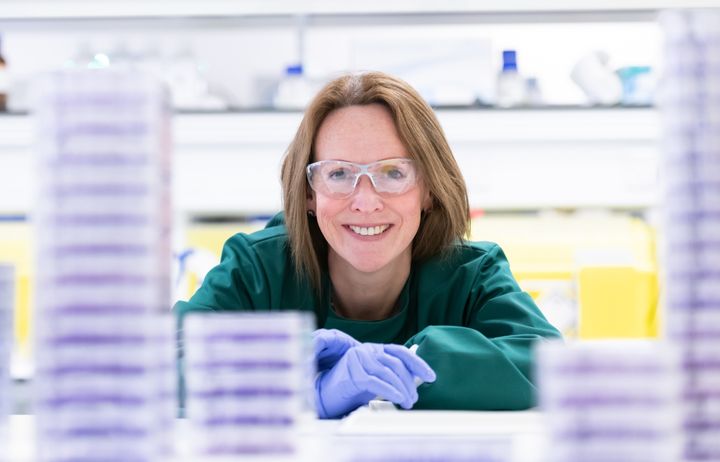
Headed by Professor Stella C. Knight, the Antigen Presentation Research Group (APRG) operates at the interface between laboratory research and clinical medicine.

Working from a strong basic immunological science platform, the APRG studies:

  • dendritic cells and dendritic cell interactions
  • developing understanding of the mechanisms of human disease
  • developing and testing novel therapies

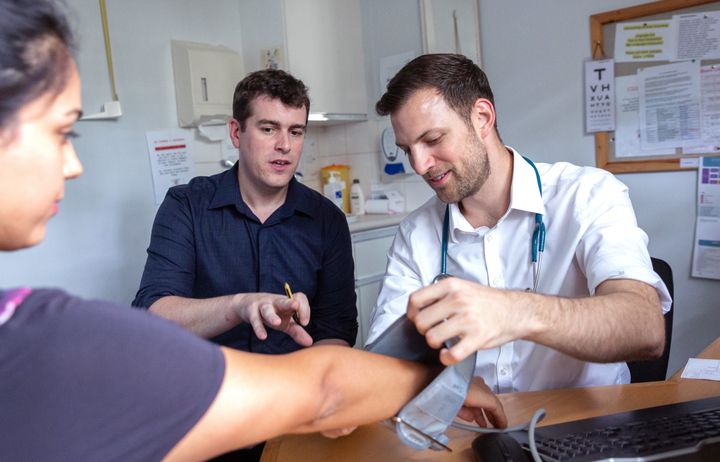
Based on the Northwick Park and St. Mark's site of the North West London Hospitals NHS Trust, the symbiotic relationship between laboratory research and clinical medicine allows the APRG to provide hands on training for doctors to become scientists by gaining MD and PhD degrees.

Our key research

Recent Publications


Bernardo D, Al-Hassi HO, Mann ER, Tee CT, Murugananthan AU, Peake ST et al. T-cell proliferation and forkhead box P3 expression in human T cells are dependent on T-cell density: physics of a confined space? Hum Immunol 2012; 73(3):223-231.

Rahbour G, Hart AL, Al-Hassi HO, Ullah MR, Gabe SM, Knight SC et al. Prospective study of immunological factors in non-inflammatory bowel disease enterocutaneous fistulas. BMC Surg 2011; 11:12.

Ng SC, Benjamin JL, McCarthy NE, Hedin CR, Koutsoumpas A, Plamondon S et al. Relationship between human intestinal dendritic cells, gut microbiota, and disease activity in Crohn's disease. Inflamm Bowel Dis 2011; 17(10):2027-2037.

Benjamin JL, Hedin CR, Koutsoumpas A, Ng SC, McCarthy NE, Hart AL et al. Randomised, double-blind, placebo-controlled trial of fructo-oligosaccharides in active Crohn's disease. Gut 2011; 60:923-929.

Hart AL, Ng SC, Mann E, Al Hassi HO, Bernardo D, Knight SC. Homing of immune cells: role in homeostasis and intestinal inflammation. Inflamm Bowel Dis 2010;16:1969-77

Herber DL, Cao W, Nefedova Y, et al. Lipid accumulation and dendritic cell dysfunction in cancer. Nature Med 2010;16:880-U57.

Ng SC, Kamm MA, Stagg AJ, Knight SC. Intestinal dendritic cells: Their role in bacterial recognition, lymphocyte homing, and intestinal inflammation. Inflamm Bowel Dis 2010;16:1787-807.

Ng SC, Plamondon S, Kamm MA, et al. Immunosuppressive effects via human intestinal dendritic cells of probiotic bacteria and steroids in the treatment of acute ulcerative colitis. Inflamm Bowel Dis 2010;16:1286-98.

Ng SC, Plamondon S, Al Hassi HO, et al. A novel population of human CD56+ human leucocyte antigen D-related (HLA-DR+) colonic lamina propria cells is associated with inflammation in ulcerative colitis. Clin Exp Immunol 2009;158:205-18.

Price CL, Al Hassi HO, English NR, Blakemore AI, Stagg AJ, Knight SC. Methylglyoxal modulates immune responses: relevance to diabetes. J Cell Mol Med 2009;6B:1806-15.

Price CL, Knight SC. Methylglyoxal: possible link between hyperglycaemia and immune suppression? Trends Endocrinol Metab 2009;20:312-7.

Knight SC. Specialized perinodal fat fuels and fashions immunity. Immunity 2008;28:135-8.

Ng SC, Hart AL, Kamm MA, Stagg AJ, Knight SC. Mechanisms of action of probiotics: Recent advances. Inflamm Bowel Dis 2008;15:300-10.

Share this on Delicious
Tweet this
Digg this
Stumble this
Share this on Facebook
 

Northwick Park Hospital

Northwick Park Hospital


APRG Address:

Antigen Presentation Research Group,
Imperial College London,
North West London Hospitals Campus,
Level 7W, Northwick Park & St. Mark's Site
Watford Road,
Harrow HA1 3UJ

Tel/Fax: 020 8869 3532


Getting here

The nearest underground stations are Northwick Park (Metropolitan Line) or Kenton (Bakerloo Line).

The nearest mainline station is Kenton.